




Around 80% of men in the UK will experience hair loss. But that doesn’t mean you have to sit back and watch it happen.
Evidence-based medications like finasteride and minoxidil can stop hair loss and promote regrowth. And if other factors are contributing, lifestyle changes may help address those too. Read on to learn more.
Key Takeaways
- Male pattern baldness affects around 80% of men
- Finasteride and minoxidil are proven medications that can stop hair loss and promote regrowth
- Other causes like stress, nutritional deficiencies, and medical conditions may be reversible
- Results from any treatment take 3-6 months to become visible
- Healthy diet and gentle hair care habits can support overall hair health
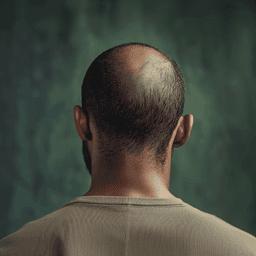
What actually causes hair loss?
Several factors can contribute to male hair loss.
Genetics: This is the most common cause in men. Around 80% of men will experience male pattern baldness at some point in their lives.
Stress: A stressful event (like going through a major life change) can cause temporary hair shedding called telogen effluvium
Medical conditions: Alopecia areata, thyroid disorders, and autoimmune conditions can cause hair loss.
Medications: Some antidepressants and other medicines list hair loss as a side effect.
Nutritional deficiencies: Low levels of iron, protein, zinc, or essential fatty acids can affect hair growth.
Hair care habits: Excessive heat styling, tight hairstyles, harsh chemicals, and over-brushing can damage hair and cause breakage.
Can you really stop hair loss (and when is it reversible)?
It depends on the cause.
Reversible hair loss happens when you can identify and remove the root cause:
- Correcting a nutritional deficiency
- Treating an underlying medical condition
- Adjusting your hair care routine
- Switching medications that cause hair loss
- Managing stress levels
However, it will take a few months for your hair to regrow. For example, if stress is the culprit, your hair will usually grow back within 3-6 months.
Male pattern baldness is different. Because it's genetic, you can't reverse the underlying cause. However, you can effectively manage it with proven medications like finasteride and minoxidil. These treatments can stop further loss and promote regrowth, even though they don't "cure" the genetic predisposition.
How to stop hair loss and prevent further thinning
Using medication
Most men will see an improvement on minoxidil or finasteride.
Minoxidil encourages growth by increasing blood flow to the hair roots. Finasteride works differently: it lowers levels of DHT, a hormone that causes your hair follicles to shrink until hair eventually stops growing.
Both medicines can increase hair count and drive regrowth on the front and crown of the scalp.

Eat a healthy diet
A healthy, balanced diet supports hair health and growth. Deficiencies in these nutrients have been linked to hair loss:
Protein – It's recommended you get at least 0.8g/kg body weight per day. Sources include lean meat, fish, eggs, and legumes.
Iron – Found in lean meat and seafood, nuts, beans, and spinach.
Zinc – Found in meat, fish, seafood, and fortified cereals.
Omega-3 and omega-6 fatty acids – Found in oily fish, flaxseed, soybeans, and chia seeds.
Thinking of trying supplements? Check with your provider first to make sure they won't interfere with your medications or treatment plan.
Change your hair care habits
Gentle hair care can reduce unnecessary breakage and shedding.
To reduce damage:
- Avoid excessive brushing or pulling
- Limit heat styling tools
- Go easy on chemical treatments like bleaching and frequent hair dye
- Avoid very tight hairstyles that pull on the hairline
- Use a wide-toothed comb on wet hair
These changes won't treat male pattern baldness, but they can help prevent additional breakage.
How long does it take for hair loss to stop?
Hair growth is slow. Even when treatment is working, it takes 3-6 months before new hairs grow long enough to be visible.
This timeline applies whether you're:
- Using finasteride or minoxidil
- Correcting a nutritional deficiency
- Recovering from stress-related shedding
- Treating an underlying medical condition
Patience is essential. Hair loss medications start working immediately at the cellular level, but visible results take time.
When to see a doctor about hair loss
If you're concerned about hair loss, that's reason enough to see your GP or a healthcare provider. You should definitely seek medical advice if you experience:
- Burning, stinging, or pain on your scalp
- Scaly skin with sores or blisters
- Redness and swelling
- Sudden, patchy hair loss
- Hair loss accompanied by other symptoms
These signs could indicate an infection, inflammatory condition, or other medical issue requiring treatment.
Get your hair back
Interested in trying hair loss treatment? We've got you.
At MANUAL, we create personalised, science-backed plans to stop hair loss and drive regrowth. Our clinicians can prescribe finasteride, dutasteride, minoxidil, or a combination based on your individual needs.
Take our quiz to get started.
 ¹
¹


