




Male pattern baldness affects 6.5 million men in the UK and finasteride is one of the most effective treatments available. Most men tolerate it well, but some do experience side effects. Online discussions often highlight sexual and mental health concerns, making it challenging to separate fact from speculation.
Understanding how common these side effects are, how serious they can be, and when to seek help can make treatment decisions easier. Here's what the current research and UK guidance show.
Key Takeaways
- Finasteride is safe for most men to take but it does come with side effects
- Common symptoms include low libido, ejaculatory changes and erectile dysfunction
- Most side effects are temporary and resolve during treatment or after stopping
- Mental health effects are rare (<0.1%) but require immediate consultation with your provider
- Persistent sexual side effects have been reported but appear uncommon, and the true risk is still unclear.
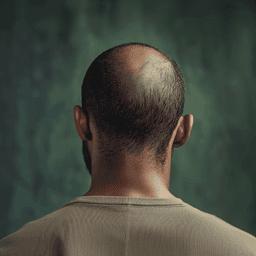
What are the common side effects of finasteride?
These finasteride side effects can affect more than 1 in 100 people. They typically improve over time, either during continued use or after stopping the medication.
- Erectile dysfunction (difficulty getting or maintaining an erection)
- Reduced libido (low sex drive)
- Ejaculatory changes (for example, reduced semen volume during sex)
What are the serious side effects of finasteride?
Serious side effects are rare, but it's important to be aware of them.
Mental health side effects
Less than 1 in 1,000 people (0.1%) are estimated to experience low mood and depression when using finasteride. If you start to experience symptoms of depression or significant mood changes, stop taking finasteride and contact your healthcare provider immediately.
It's important to get finasteride from a qualified, registered provider. There have been reports online of men buying finasteride without proper medical consultation and experiencing complications without appropriate support.
A licensed clinician will assess your health and medical history when deciding whether to prescribe finasteride, ensuring the benefits outweigh the risks for you personally. They will also monitor you regularly to catch any issues early.
Sexual side effects
In rare cases, sexual health side effects continue after stopping finasteride. This could include erectile dysfunction, low libido, and ejaculatory problems.
We don’t know how common this is. To give you context: the UK regulator, the MHRA, received 426 reports of persistent sexual dysfunction post-finasteride between November 1992 and April 2024, which amounts to about 13-14 reports per year. Given that millions of men have used finasteride over this period, this represents a very low reporting rate, though the true incidence remains uncertain.
Does finasteride cause prostate cancer?
No. Studies show that finasteride can actually reduce the risk of prostate cancer.
Early research suggested finasteride might increase high-grade prostate cancer risk, but long-term studies found this isn't the case. It was due to improved detection rather than finasteride causing more aggressive cancers.

Are finasteride side effects permanent?
Most of the time, finasteride side effects are temporary and resolve either during continued treatment or after stopping.
However, there are rare reports of symptoms sticking around for months, or even years, after stopping treatment. This has been termed post-finasteride syndrome (PFS).
PFS remains controversial and isn't officially recognised by major medical bodies. Research shows the nocebo effect plays a significant role, where the expectation of experiencing negative symptoms actually triggers them. Studies found that men informed about potential side effects reported them at nearly three times the rate of those who weren't.
How to reduce the side effects of finasteride
While you can't eliminate all risk, you can certainly reduce the risk:
- Use finasteride exactly as your provider says. Taking an incorrect dose can lead to side effects.
- Maintain overall health. A healthy lifestyle, including regular exercise, good nutrition, and not smoking, supports both mental and sexual health.
- Don’t expect the worst. Excessive worry about side effects may increase your likelihood of experiencing them.
- Consider topical finasteride. This formulation is applied directly to the scalp and may reduce systemic (whole-body) side effects. Though unlicensed, it's commonly prescribed off-label in the UK, and studies suggest it's as effective as oral finasteride.
Topical finasteride side effects vs oral finasteride
From what we know about topical finasteride, it appears safe and well-tolerated. Some side effects that have been reported are:
- Scalp itching
- Redness and irritation
- Burning sensation
- Skin rash
Topical finasteride may have fewer systemic (whole-body) side effects compared to oral finasteride.
Get your hair back
You don’t have to sit back and let hair loss happen. At MANUAL, we’ve got a range of science-backed treatments that can stop hair loss and drive regrowth.
You could see results within 3-6 months. Take our quiz to get started.
 ¹
¹


